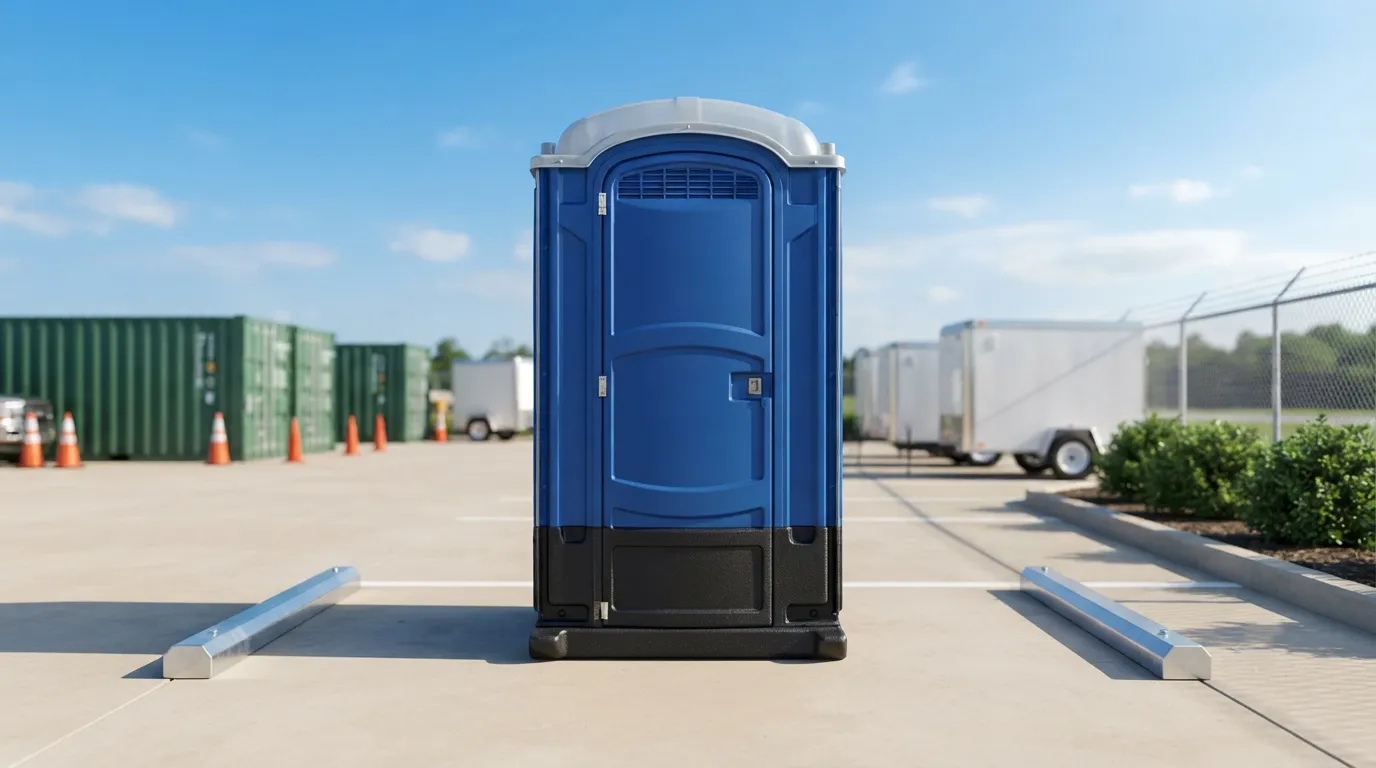
Standard porta potty
$125 to $250 a weekend
Charlotte, NC
When storms knock out water and sewer service across Mecklenburg County, Charlotte Porta Pros can have standard units on site within hours, with rental running about $150 to $250 a week per unit. We stage stock locally and prioritize emergency calls ahead of standing orders, because a flooded neighborhood cannot wait on a normal delivery window.
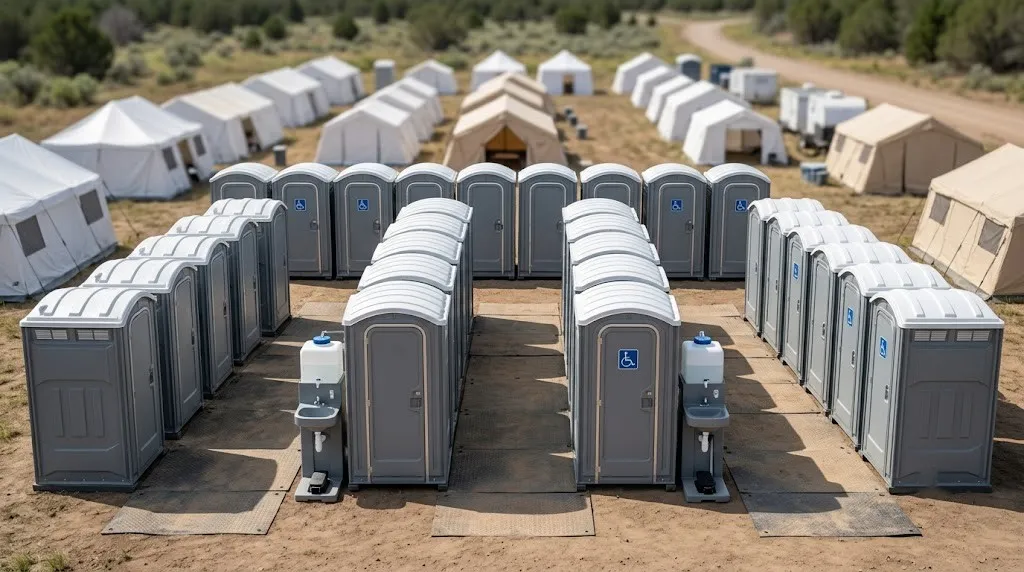
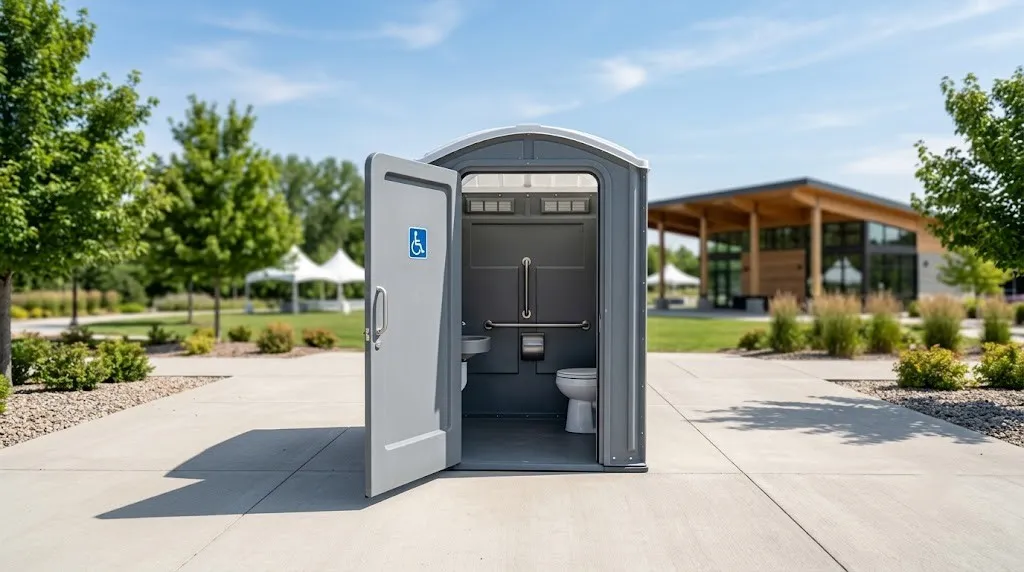
Speed depends on what is already parked and what needs routing. Charlotte Porta Pros keeps standard porta potty rental units staged for exactly this reason, so most disaster calls do not start from zero. A single storm cell can knock out power and water across several ZIP codes at once, and when that happens we pull from inventory meant for emergency porta potty rental situations first. If a shelter or command post needs accessible units, we check ADA accessible porta potty stock, since ADA Standards section 213.2 requires that at least 5 percent of any cluster of single-user units be accessible, with a minimum of one no matter how small the cluster. We size the response using the same logic in our how many porta potties do I need guide, adjusted for population displaced rather than workers on a job site. Relief sites near Huntersville, about 15.7 miles north of Charlotte, or Matthews, 12.2 miles southeast, get routed the same way: nearest available stock first, standard delivery routes second. For sites without existing water service, we pair units with handwashing station rental equipment, because 29 CFR 1910.141(d)(2) requires soap and towels or a hand-drying device at any washing station. Hand sanitizer alone does not meet that standard, so we do not substitute it when a shelter or feeding site needs real handwashing capacity. Where fencing is needed to secure a staging yard or supply drop, we can add temporary fence rental on the same run.
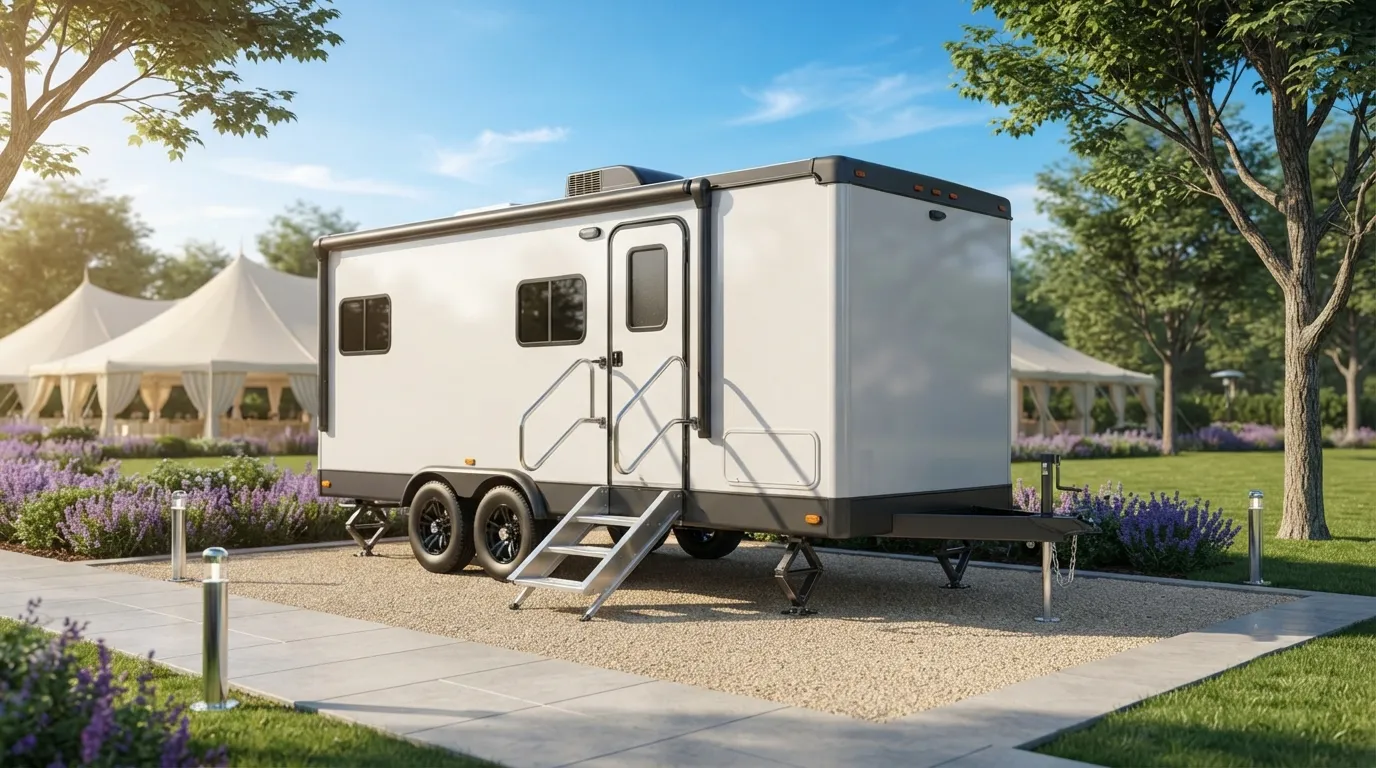
It depends on headcount and whether the site has working plumbing. OSHA 1926.51(c)(1) sets the baseline most relief planners still use as a rule of thumb: 1 toilet for 20 people or fewer, then 1 toilet and 1 urinal per 40 people beyond that, scaling to 1 per 50 once you pass 200. That standard was written for construction crews, but disaster response coordinators in Charlotte often apply the same ratio to shelter populations for lack of a better number. A command post running food or water distribution should also plan for porta john rental or portable toilet rental units placed close to the queue line, not tucked behind it, so people with mobility limits are not walking farther than anyone else. If the site includes a kitchen trailer or food service tent, OSHA 1926.51(f)(1) requires washing facilities specifically where workers handle contaminants like coatings or chemicals, so that citation applies to hazmat and cleanup crews, not general shelter guests. For longer deployments, a restroom trailer rental or 4 stall restroom trailer gives a shelter running water and real stalls instead of stand-alone units. We have also delivered shower trailer rental equipment to sites housing displaced families for more than a few days. Roads into some relief sites are tight, and a straight delivery lane matters: our trucks need roughly 60 feet of clearance behind them to place a roll-off, the same clearance rule that applies when we bring in roll-off dumpster rental units for storm debris.
Usually the fastest path is placing units on private property, church lots, or school grounds where no right-of-way permit applies. Placement inside the public right-of-way in Charlotte, such as a closed lane or blocked sidewalk, normally requires a Right-of-Way Use Permit through the Charlotte Department of Transportation, and CDOT's own brochure names construction dumpsters as an example of what needs one. Standard requests go through an online portal at least 48 hours ahead, though full street closures need 10 working days, timelines that do not fit a live disaster. Whether a single portable toilet placed without any lane or sidewalk closure triggers that same permit is not clearly addressed on any city page we found, so that detail needs confirming directly with CDOT before a unit goes down in the street. Chapter 19 of the Charlotte Code of Ordinances separately makes it unlawful to leave an unnecessary obstruction, like a tent, table or tarp, in the right-of-way, though the exact section covering portable sanitation units specifically was not published. Our porta potty permit requirements and dumpster permit requirements pages walk through what we do know. For most relief deployments we simply steer placement onto private or institutional property and skip the question entirely. Storage needs during recovery, from displaced tools to donated supplies, often call for storage container rental or a 20ft storage container on the same lot.
Most emergency requests move faster than a standard order because we hold back stock for exactly this. Delivery timing depends on road access and how many units a site needs at once. Call ahead when possible, but we do take same-day emergency requests across the Charlotte area.
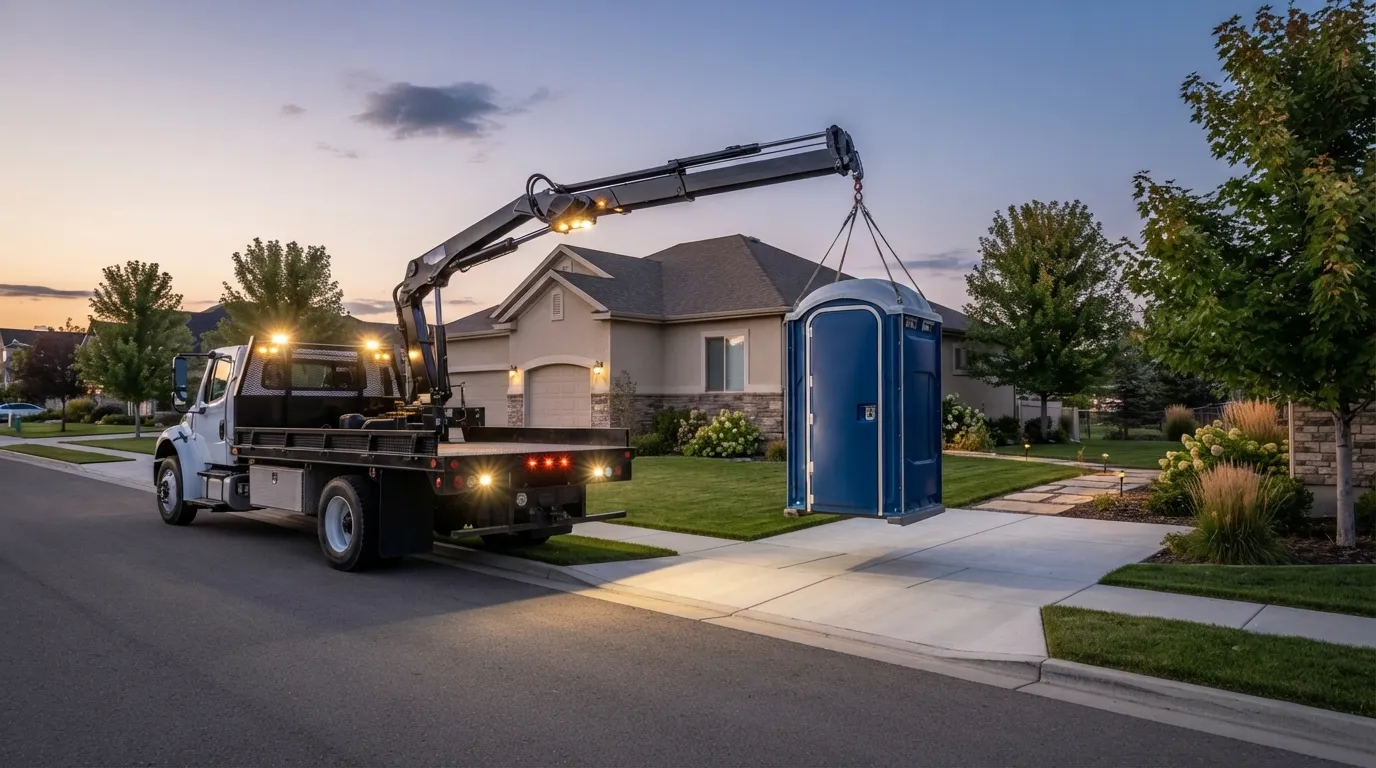
Yes, in most cases. Our trucks need clear ground, not necessarily pavement, and roughly 60 feet of straight approach to set a unit down safely. Grass lots, gravel pads and packed dirt all work if the ground is stable and dry enough to support the truck.
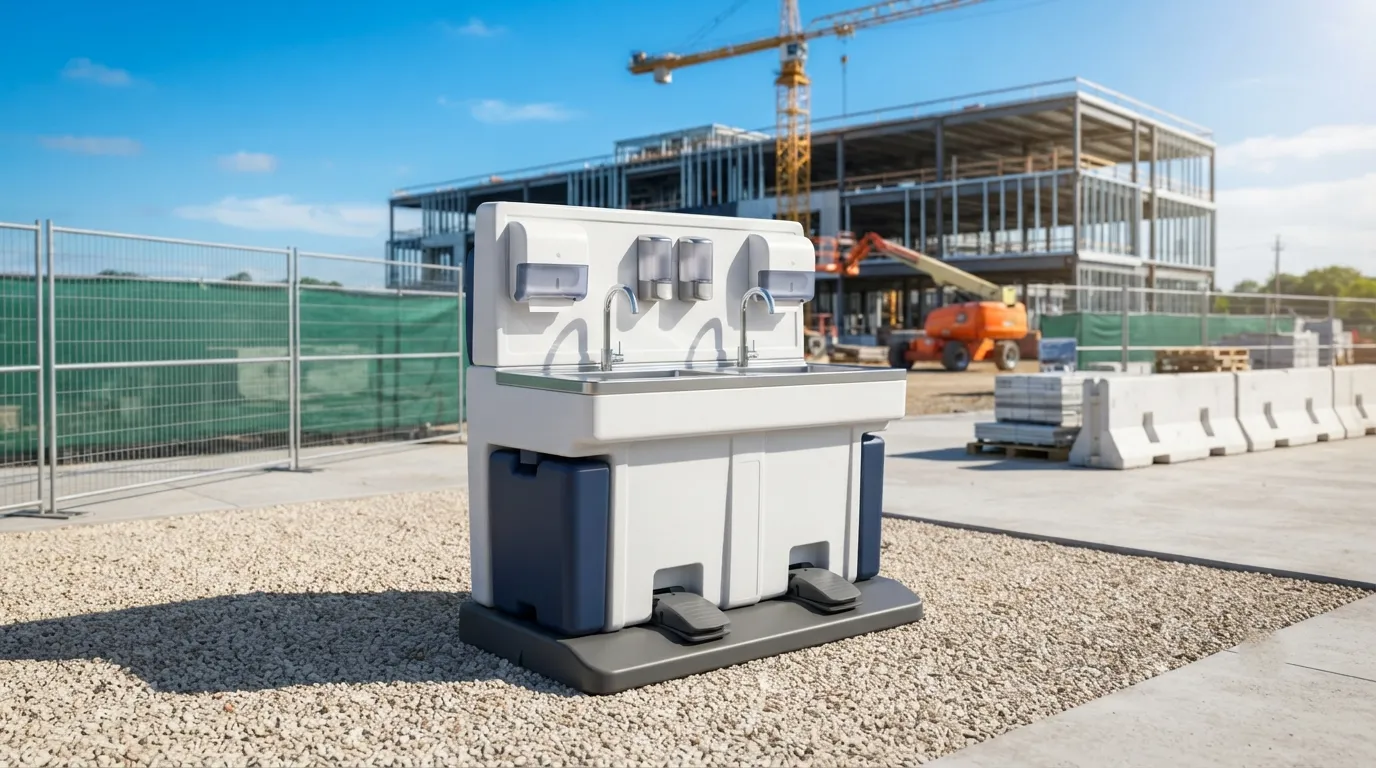
Yes. Portable sink rental units and dedicated handwashing stations are available separately from restroom units, which matters for feeding sites and medical triage points. 29 CFR 1910.141(d)(2) requires soap and a towel or drying device at any washing station we place.
Long deployments usually shift to a monthly porta potty rental arrangement or a restroom trailer, since running a string of daily rentals costs more over time. We service units on a regular schedule for the full deployment, adjusting frequency as population on site changes.
Yes. We pair sanitation drops with construction dumpster rental equipment for storm debris, and our dumpster sizes and dimensions page helps match container size to the volume of damage on a given block.
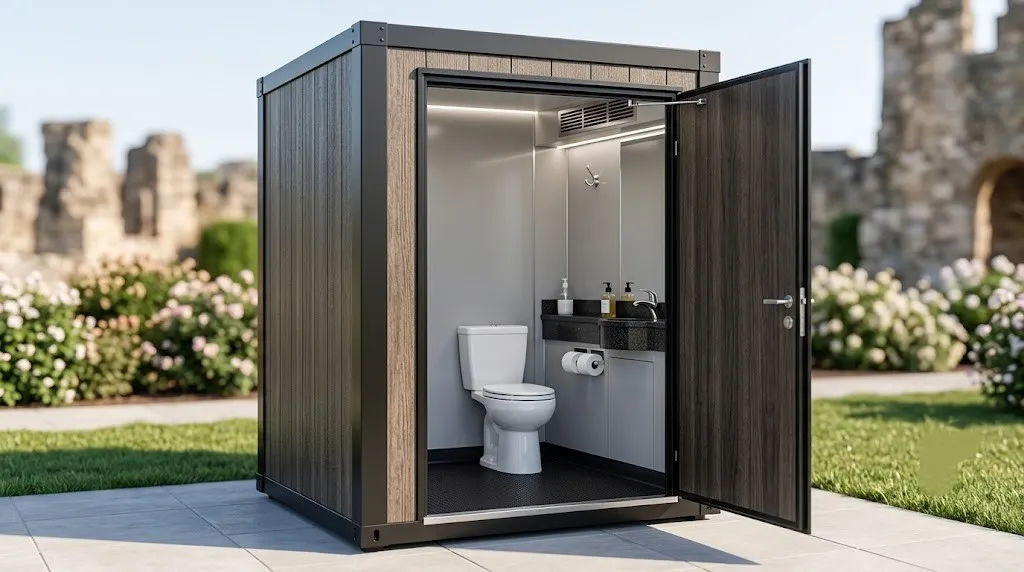
What we rent
Typical Charlotte ranges, not a quote. Delivery is $50 to $150 and a weekly service visit $30 to $60. See the full cost breakdown.
$125 to $250 a weekend
$200 to $350 a weekend
$199 to $300 a weekend
Quoted by stall count
The rest of the yard
We deliver across Mecklenburg County and over the state line:
Full service area and drive times or request a quote with your address and dates.
Next step
Tell us the address, the dates and the headcount. We size the order and confirm the route.