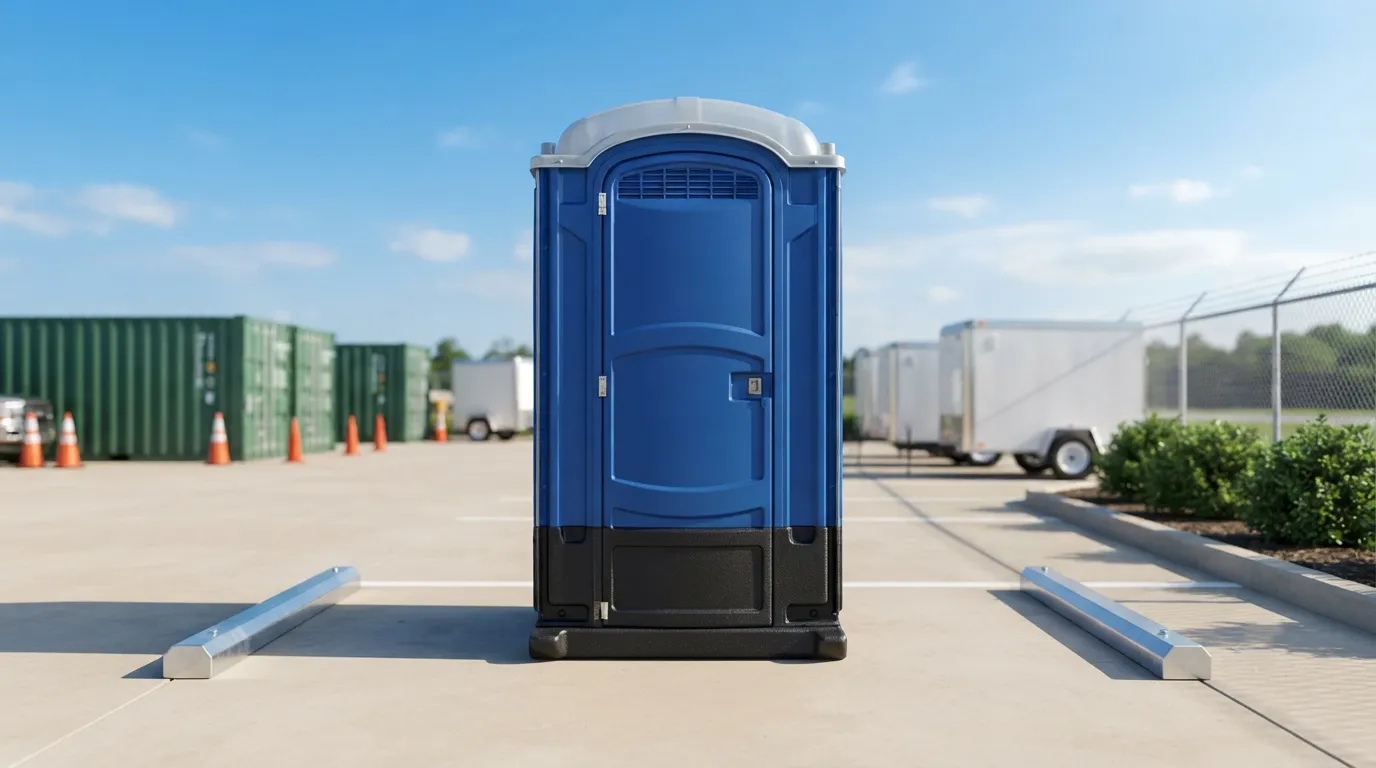
Standard porta potty
$125 to $250 a weekend
Charlotte, NC
A typical 1,000 gallon residential septic tank needs pumping every 3 to 5 years, and that range moves based on tank size and how many people live in the house. Charlotte's clay soil and heavy summer rain add stress to a slow-draining field, so tracking your last pump date matters here more than in drier climates.
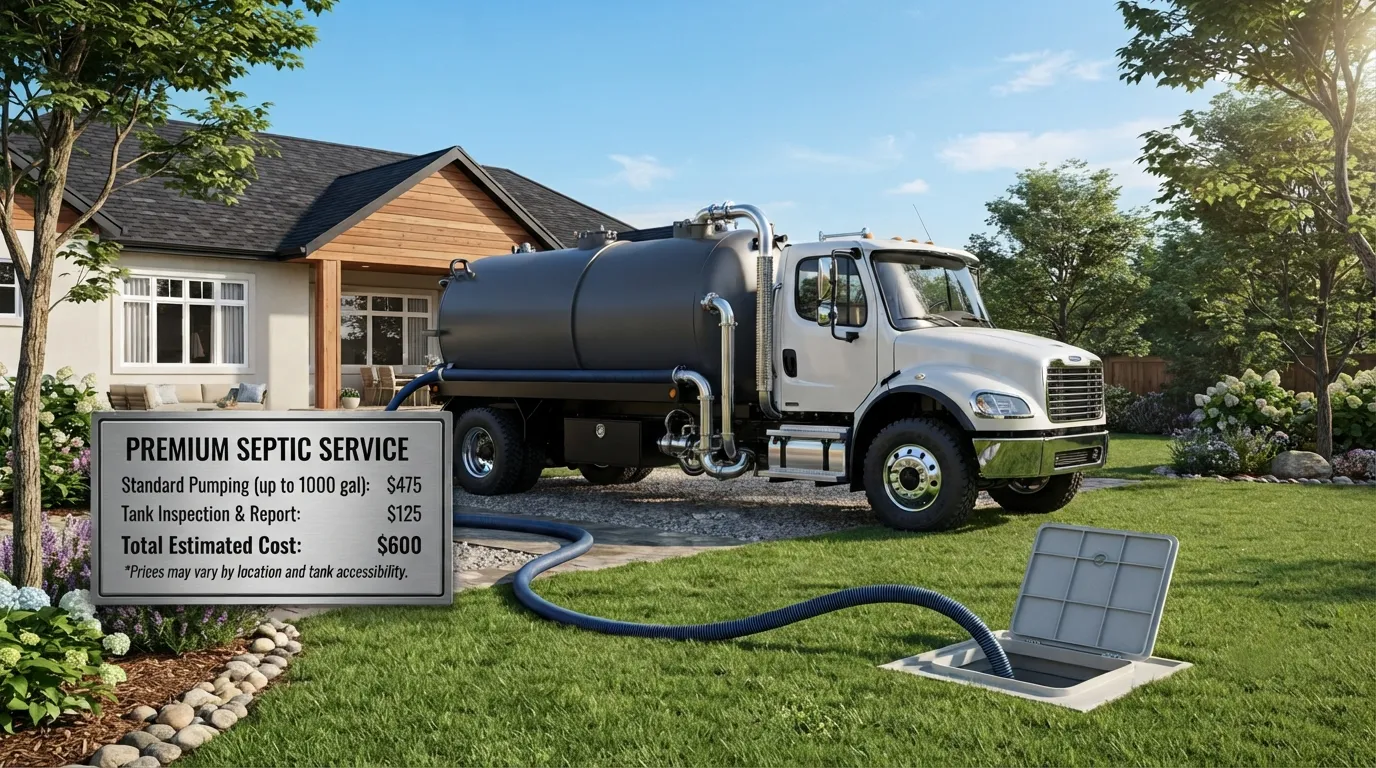
Three to five years is the baseline, and it comes straight from tank size and household size, the two biggest variables in how fast solids build up, the same logic that shapes how often to pump a septic tank guidance across the board. A family of six fills a tank faster than a couple living alone, which is also why we point renovation crews toward a home renovation porta potty instead of leaning on the house septic system during a remodel. Charlotte gets 41.63 inches of rain a year on average, and that steady moisture keeps drain fields saturated longer after storms, which is one reason we tell homeowners not to stretch the interval just because the tank "seems fine." If your property sits within the city limits, the septage hauler pumping your tank needs a permit from the North Carolina Division of Waste Management, Solid Waste Section, Septage Management Program, and your local health department handles the septic system installation side, not that state office. For a straight answer on cost before you book, check septic tank pumping cost in Charlotte or just request a quote and get a number for your address.
Garbage disposals, grease, and a full house all shorten the interval, much like a busy jobsite shortens the service window on a standard porta potty rental. A restaurant-style grease interceptor gets pumped once fats, oils, grease and solids reach 25 percent of the liquid depth, and while that spec applies to commercial interceptors, it's a useful reminder that grease is the fastest way to fill any tank early. Households that run laundry constantly, host large gatherings, or pour cooking oil down the drain will need septic pumping service more often than the 3 to 5 year average suggests. Watch for slow drains, gurgling pipes, or standing water near the drain field, the kind of warning sign we also flag on our porta potty rental checklist for site managers. Those are covered in more depth on our septic tank warning signs page, and catching them early beats an emergency septic service call at 9pm on a Saturday. If you're weighing a full septic tank cleaning against a smaller service visit, ask what's actually being removed, not just how much it costs.
Sometimes yes. If your tank is undersized for your household, or if you're running a temporary situation like a construction project or a family event without full plumbing, a rented holding tank can bridge the gap instead of forcing an early pump-out. Our holding tank rental option works for job sites near Charlotte, pairs well with a construction dumpster rental on the same lot, and helps property owners dealing with a failed system while repairs are scheduled. Commercial kitchens have a separate concern entirely: grease trap pumping follows its own schedule tied to that 25 percent depth threshold, not the 3 to 5 year residential window. Confusing the two is a common mistake, and it's why we ask what kind of tank you're dealing with before quoting a visit.
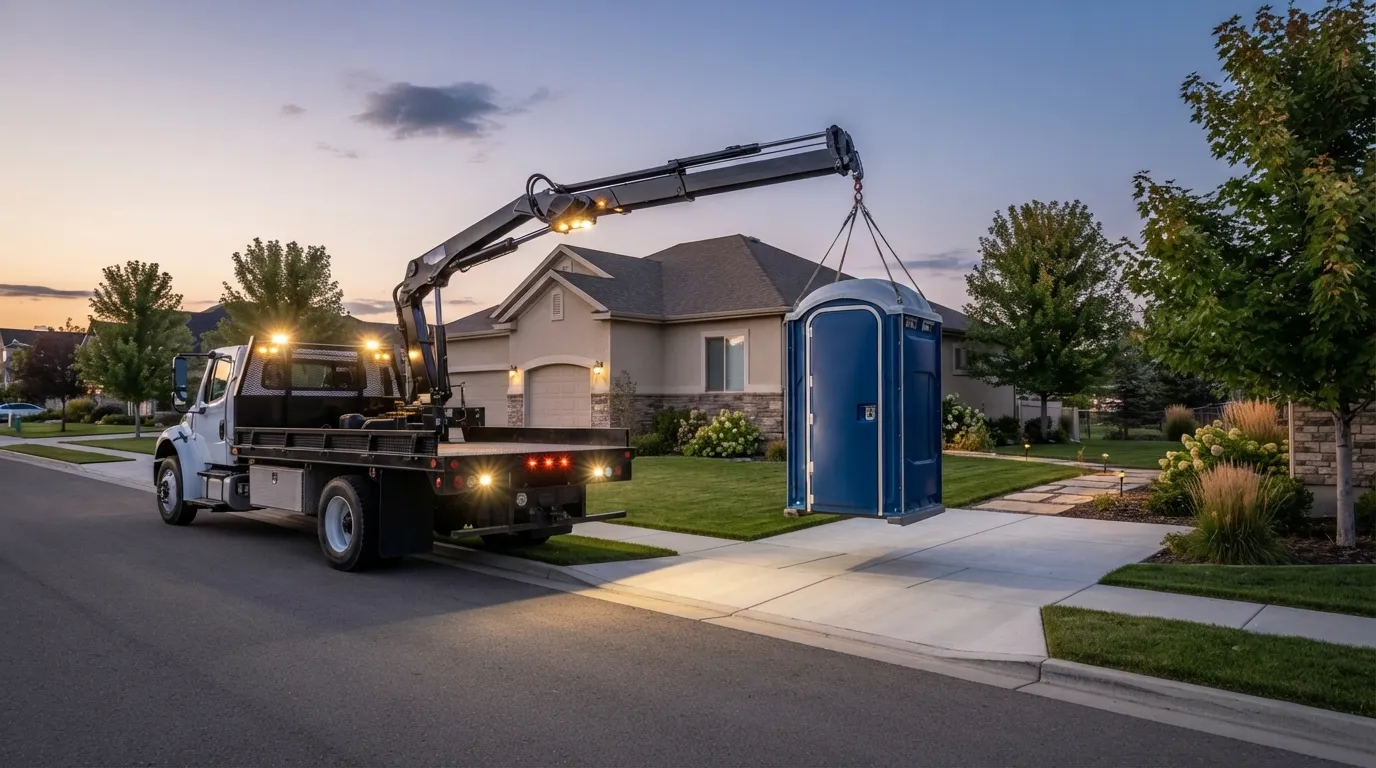
A pumping truck arrives, locates the access point, and removes the accumulated solids and liquid layer from the tank. On most residential jobs in Charlotte this is a same-day service, priced in the day-rate range you'll see on our septic tank pumping cost page, and comparable to the day rates we quote for septic pumping service generally. Access matters: a truck needs a clear path to the tank lid, similar to how a roll-off delivery needs about 60 feet of straight clearance behind the truck for a roll-off dumpster rental drop. If your driveway is tight or the tank sits under a deck, mention it when you book so the crew brings the right hose length. Homes in Matthews, 12.2 miles southeast of Charlotte, and Huntersville, 15.7 miles north, get the same service window we run inside the city.
| service | duration | low | typical | high |
|---|---|---|---|---|
| septic pumping | day | $150 | $250 | $300 |
| septic pumping | weekend | $50 | $100 | $150 |
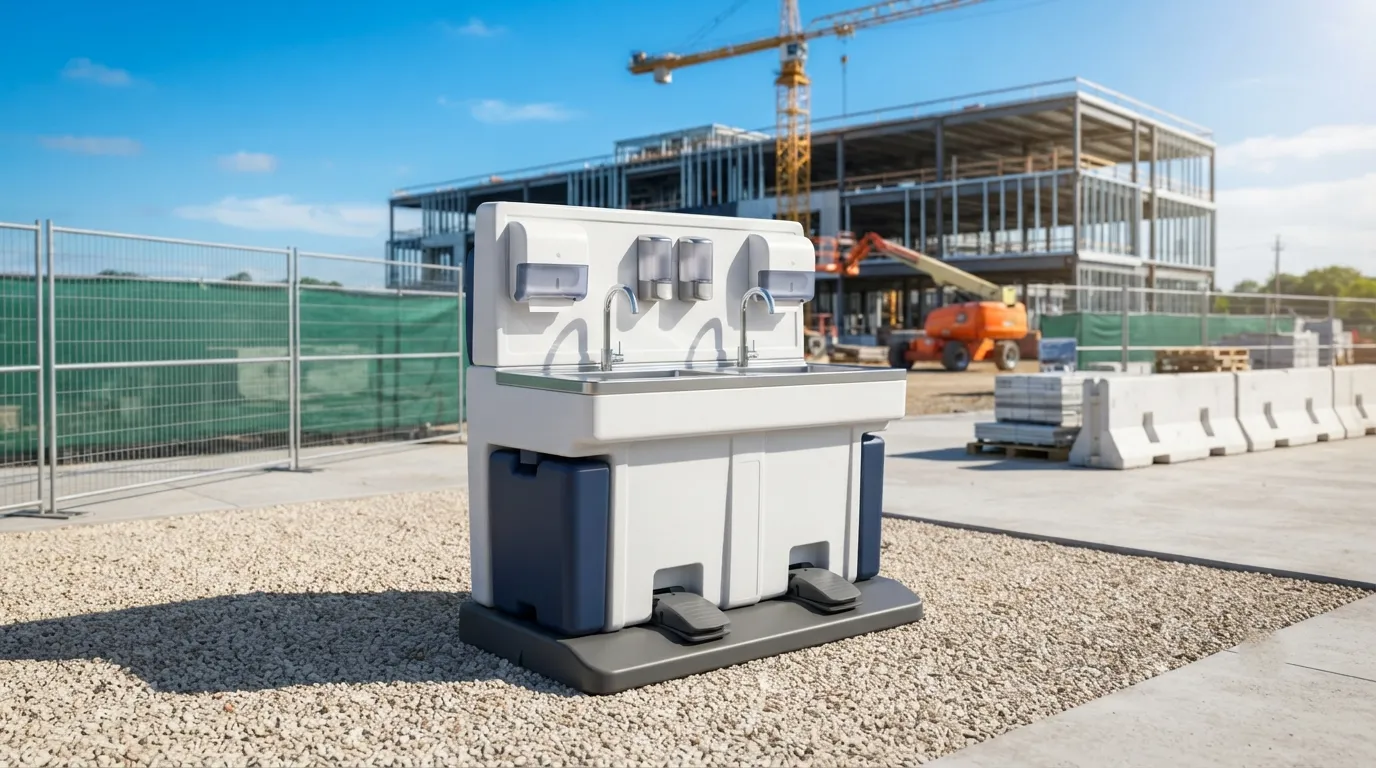
Weekend visits carry a smaller flat call-out in that band above, since most residential pumping doesn't need a full day rate. If your job site needs ongoing sanitation instead of a one-time pump, look at construction site services, a straightforward portable toilet rental, or a handwashing station rental instead of treating a septic tank like a temporary fix.
Slow drains, gurgling in the pipes, and soggy patches over the drain field are the usual signs. Sewage odor near the tank lid or backup into the house means don't wait. Call for emergency septic service rather than guessing at the timeline yourself, the same urgency we'd point you to on our emergency porta potty rental page for a site that can't wait.
Yes. A 1,000 gallon tank serving two people lasts longer between pumpings than the same tank serving six. That's the core driver behind the 3 to 5 year range, more than any single fixed rule.
Somewhat. Harsh chemicals and excess grease speed up solids buildup, so cutting back helps. It won't stretch a 3-year tank to 5 years on its own, but it reduces the risk of an early failure between visits.
No. Grease interceptors get pumped once they hit 25 percent fats, oils, grease and solids by depth, which can happen far faster than a home's 3 to 5 year cycle. See grease trap pumping for that separate schedule.
Charlotte's high annual rainfall keeps drain fields wetter longer, so a skipped cycle here risks backup sooner than in a drier region. A failed field is expensive to repair compared to a routine pump-out, so check the porta potty permit requirements page too if a repair crew needs sanitation staged on site.
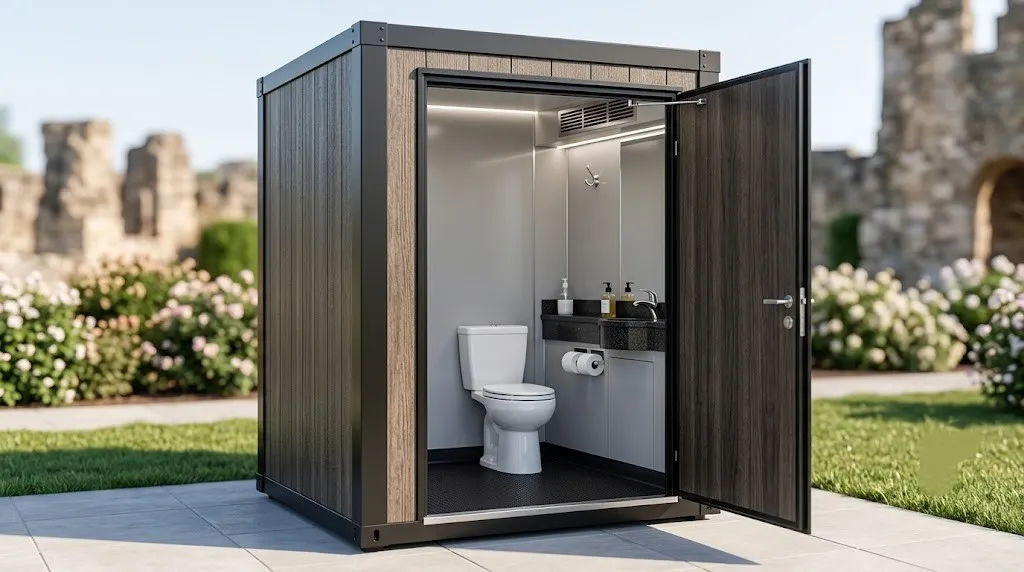
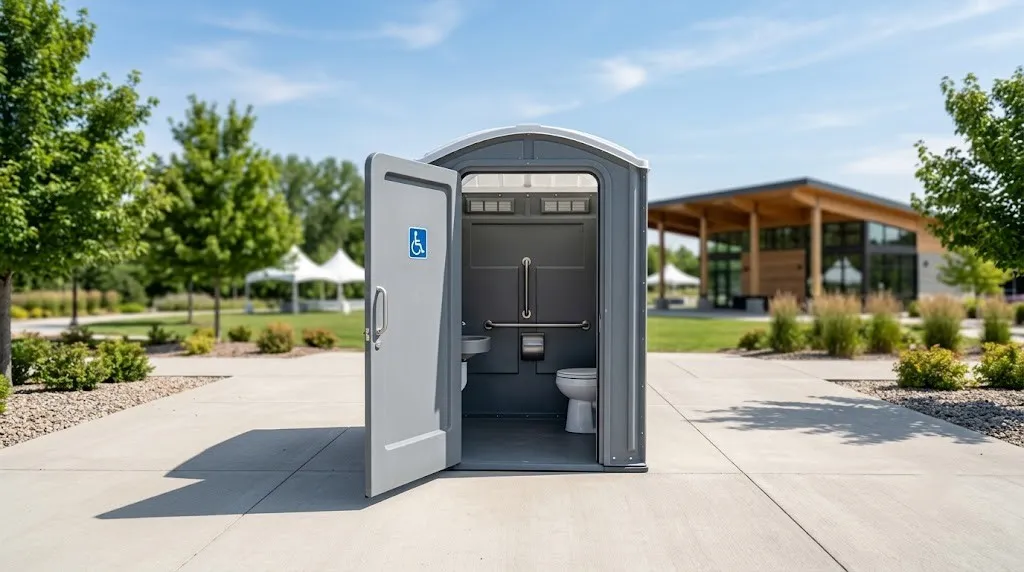
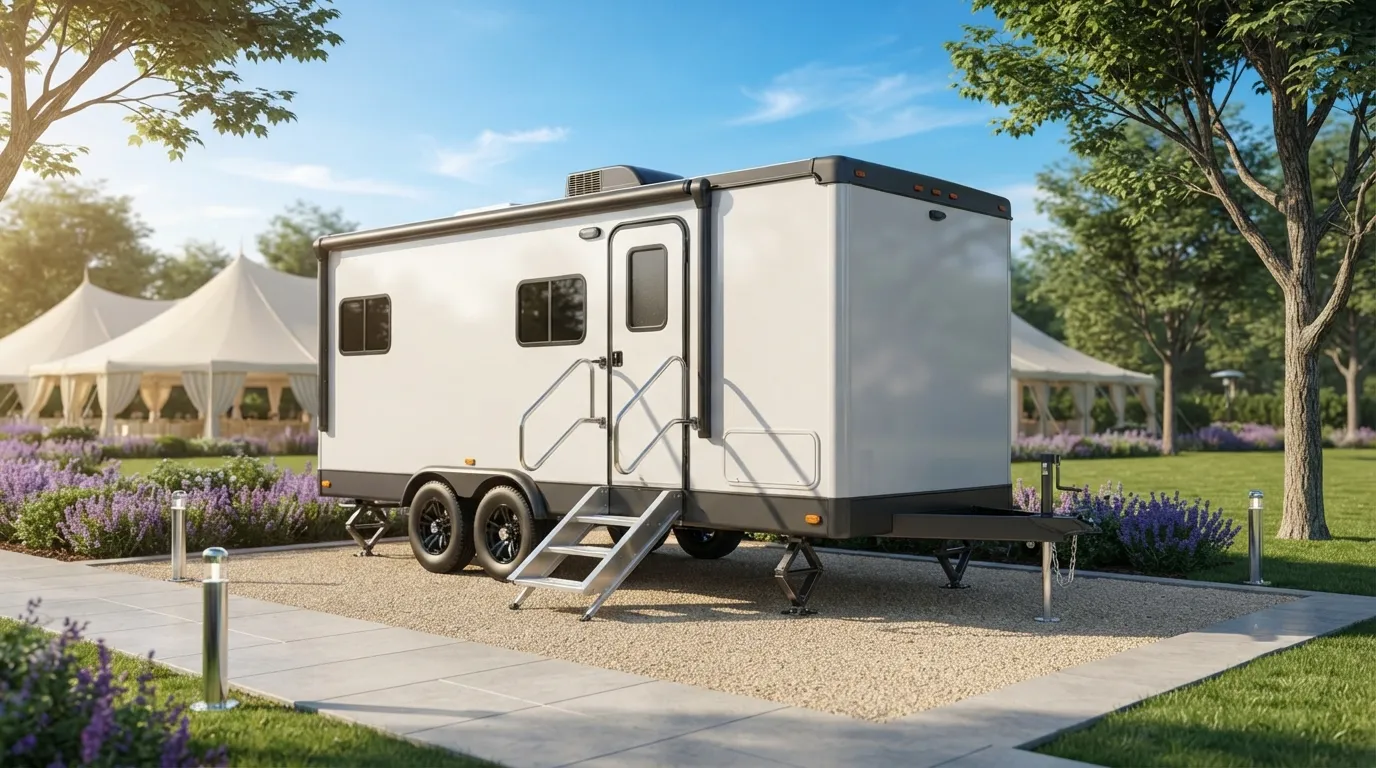
What we rent
Typical Charlotte ranges, not a quote. Delivery is $50 to $150 and a weekly service visit $30 to $60. See the full cost breakdown.
$125 to $250 a weekend
$200 to $350 a weekend
$199 to $300 a weekend
Quoted by stall count
The rest of the yard
We deliver across Mecklenburg County and over the state line:
Full service area and drive times or request a quote with your address and dates.
Next step
Tell us the address, the dates and the headcount. We size the order and confirm the route.